
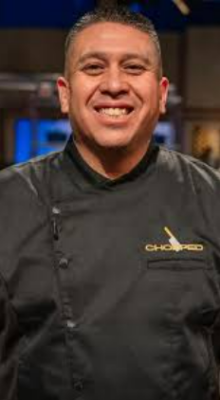
Interview with an Indigenous Chef: Ray Naranjo
Location: Santa Clara Pueblo, New Mexico
Education: Le Cordon Bleu College of Culinary Arts
Business name: Manko: Native American Fusion
Tribal affiliation: Santa Clara Pueblo
What led to your passion for Indigenous foods?
I wanted my cultural identity and my career to exist side by side. For a long time, those parts of my life felt separate. When I began working with Indigenous foods, it allowed me to bring together my cultural knowledge and my professional life.
Growing up in a rural Pueblo community, I spent a great deal of time outdoors. My grandmother was an incredible cook, and while I was never formally taught to prepare her dishes, I learned a great deal through observation and experience. Traditionally, men were not taught to cook in the kitchen, so I learned other skills such as hunting, gathering and working with the land.
Many of those experiences influenced my culinary journey. Hunting game, cooking outdoors and foraging for foods such as wild plums and asparagus helped me develop a deeper understanding of Indigenous foodways. Being connected to the natural environment taught me where food comes from and how food, culture and place are connected.
What is the importance of preserving and promoting traditional Indigenous foods?
The health benefits are significant, but the importance goes beyond nutrition. Across many Native communities, there is a growing effort to reconnect with cultural practices that were discouraged or lost over generations.
Many of our grandparents experienced pressure to abandon their languages and cultural traditions. As a result, some of those connections weakened over time. Today, many Native people are working to reclaim and revitalize those traditions while finding ways to carry them forward in a modern world.
Food is one of the most accessible ways to reconnect with culture. Alongside art, fashion and language revitalization efforts, Indigenous foodways help tell our stories from our own perspectives and strengthen cultural identity for future generations.
How can traditional Indigenous foods impact Native health and wellness?
I participated in The Pueblo Food Experience, which later became a book. Participants committed to eating Indigenous foods for several months and completed health screenings before and after the project. Many experienced significant improvements in areas such as blood sugar levels and blood pressure.
The project highlighted the impact that processed foods and convenience foods have had on Native communities. While traditional diets varied among tribes, many Indigenous food systems were built around whole, nutrient-dense foods. The introduction of highly processed foods, fast food and sugary beverages has contributed to many of the health challenges Native communities face today.
Returning to traditional foods can be an important tool for improving health while also reconnecting people to their cultural heritage.
What other ways are you involved in Indigenous food education and community outreach?
A large part of my work focuses on community education. I serve as a SuperChef with Cooking with Kids, where I help develop recipes and educational experiences for students. I’ve also participated in classroom programs that introduce children to healthy foods and food traditions.
In addition, I served on a task force organized by the State of New Mexico that focused on improving school meals. My role was to help ensure Indigenous perspectives and food traditions were represented as recommendations were developed.
I also support educational efforts connected to organizations and individuals working to restore Indigenous food systems throughout New Mexico and beyond. Many nonprofits and community organizations are helping create greater awareness of traditional foods while supporting food sovereignty initiatives, community agriculture projects and educational programming.
Right now, there is growing interest in Indigenous foods, which creates an opportunity to educate people about the history, culture and health benefits connected to these foodways. Through festivals, community events and educational programs, Native chefs and food advocates are helping share knowledge and inspire the next generation to reconnect with traditional foods.
Is there anything else you’d like people to know?
Native foods are receiving more attention than ever before, and that creates an opportunity to educate people about the history, culture and health benefits connected to these foodways.
Many communities are already aware of the health challenges they face, and there is increasing momentum around finding solutions rooted in traditional knowledge. Across the country, Native chefs, farmers, educators and organizations are helping restore food systems that support healthier communities.
One of the most important lessons I’ve learned is that food is deeply connected to identity. Food is in your DNA, and your body remembers these things. When people reconnect with traditional foods, they often reconnect with a part of themselves as well.
I also want to thank everyone who is helping share these stories and bring greater awareness to Indigenous foodways. The more we learn about these traditions, the more opportunities we have to create healthier communities while preserving important cultural knowledge for future generations.